



What traders need to ask now?
By Vincent Grandjean, Founder & CEO, Propellant Digital.

The new FCA transparency regime went live on 1st December 2025 with an immediate impact on real-time transparency. Real-time reporting within less liquid sectors such as Sterling corporate bonds jumped by several hundred percent as most GBP issues were classified as illiquid under the old rules.
This pattern continued when the ESMA transparency regime came into effect on the 2nd of March this year. Our day-one analysis recorded similar trends in Euro and USD corporates, with overall real-time reported volume increases running between four and twelve times (depending on the category). The credit market did not become more transparent gradually; it did so overnight.
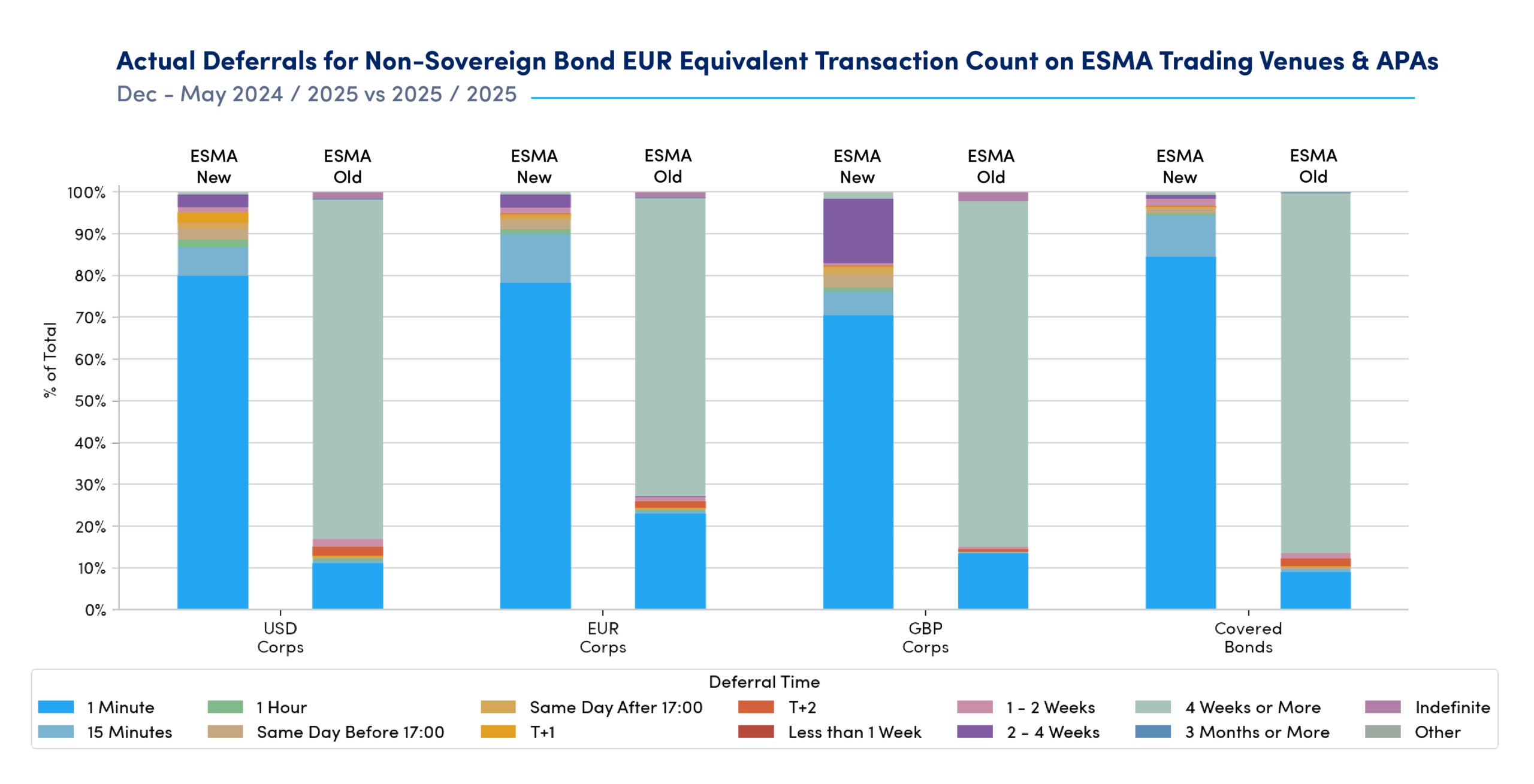 Chart 1. Non-sovereign bond deferrals collected by Propellant Digital (2025 – 2026)
For most of the last decade, the data conversation in fixed income has been a contest between feeds. It came down to factors such as whose pipe carried more, whose latency was tighter and whose coverage reached further into the (long) tail. The new FCA and ESMA regimes have flooded the pipe underneath all of them. Access is now the floor, not the differentiator.
The contest has moved upstream of the desk and downstream of the feed, towards the aggregation layer that transforms raw transparency data into something a head of trading can act on, which is far harder than it sounds.
As Alex Munn, chief technology officer at Propellant Digital, comments, “Whilst new regimes have demonstrably provided more data on the transparency of the fixed income markets, the challenge now is to turn that raw data into actionable value”.
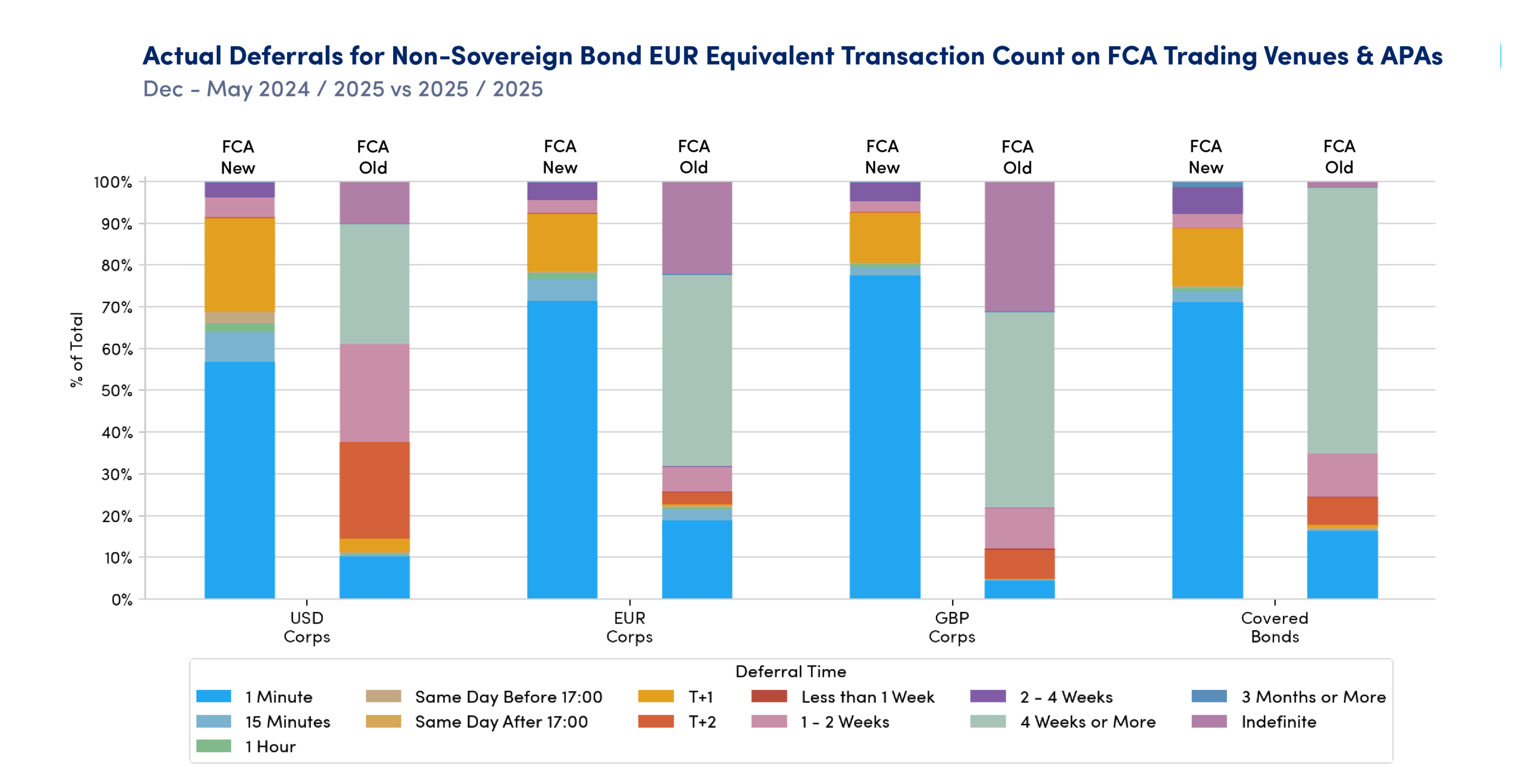 Chart 2. Non-sovereign bond deferrals collected by Propellant Digital (2025 – 2026)
Each regime has a unique format, with its own conventions, all published through regulated trading venues and Approved Publication Arrangements (APAs), yet, coverage gaps remain.
Duplicate reporting occurs not only between venues, but also across jurisdictions, generating daily discrepancies in the tens of thousands. None of this is a complaint about the regimes. They have done what they were designed to do. Making the output usable on a trading desk is a separate problem – one the industry now has to solve.
Two new Consolidated Tape (CT) projects are part of the answer within their respective jurisdictions, following FINRA’s lead in early 2000’s. The UK Bond CT goes live in June 2026, whilst the EU Bond CT is currently in the authorisation phase. Both will consolidate publication within their own parameters and both are useful pieces of infrastructure; however, neither are designed to do the cross-jurisdictional work.
Trades on a US-listed issuer actively reported via FINRA TRACE may also be reported via MiFID II under either (or both) ESMA and FCA rules. This then creates a new problem, as data sits across three regimes that no single tape was built to span. This unavoidable limitation highlights where the analytics layer earns its place.
Taking a single security trading across regimes, it becomes immediately apparent there are multiple challenges to consider. Deferral windows differ, real-time thresholds differ and categorisation rules differ. A trade that prints without delay under one regime can sit deferred for two weeks (or longer) under another. Vidal Mehra, Propellant’s chief product officer, has documented this empirically for Category 2 instruments, an FCA categorisation that puts the onus on trading venues to determine deferral times themselves.
The point is not that one regime is better calibrated than another; it is that the same trade looks different depending on where you stand. A trader looking through only one window does not see the full picture. Reconciling that view, across multiple regimes including MiFID II, FINRA TRACE, CFTC Real-Time Reporting and the emerging tapes, is the work the next phase of fixed income analytics providers are going to be measured on.
For both buy-side and sell-side desks, the implication is straightforward. The questions worth asking of any data provider have changed. How clean is the cross-regime view? How are duplicates handled? How is reference data aligned when the same instrument carries different categorisations across jurisdictions? These are operational questions, not procurement questions. The desks that ask them earliest will have a clearer view of where their executions actually sit, relative to the wider market.
The transparency regimes have given the industry the data it asked for. The next twelve months will sort the providers who treated it as the finish line from those who treated it as the starting line.

©Markets Media Europe 2026