




The attacks on Iran and its responses over the past week have injected a sharp dose of geopolitical risk into global markets, and the corporate bond market has felt the effects quickly and unevenly, making access to liquidity and pricing in sectors under extreme duress absolutely critical for traders.
Investors report the most immediate consequence of the events unfolding in the region to be a flight to quality, as they rotate out of riskier credit and into safer government bonds.

“As with most political conflicts, a flight to quality and liquidity is typically the first response in financial markets, followed by higher commodity prices, led by oil,” noted a team of investors from Allspring Global Investments, including Janet Rilling, head of Plus Fixed Income.
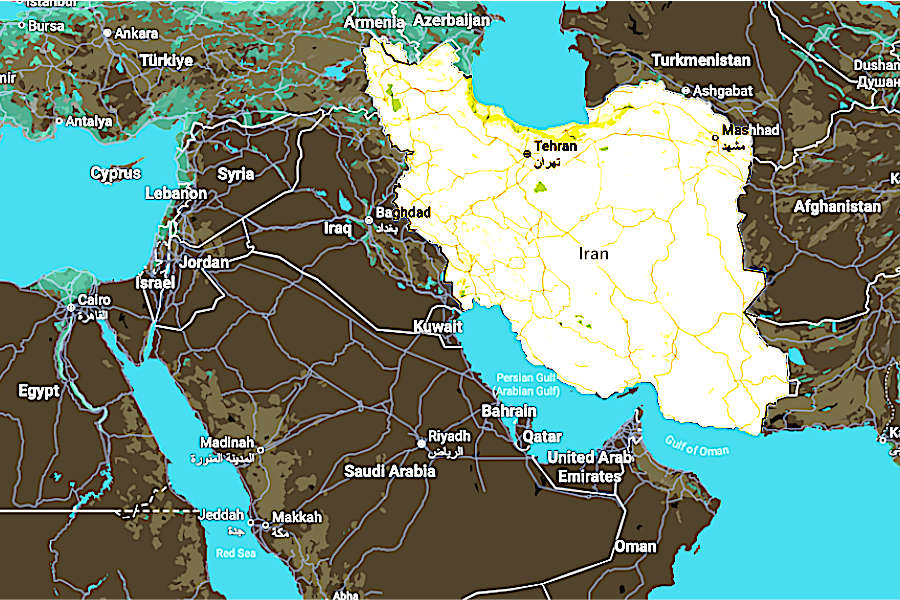
Heightened uncertainty around Middle East stability, especially after Iranian missile and drone strikes across Gulf states and the closure of the Strait of Hormuz, has pushed investors to reassess credit risk and liquidity conditions.
“Credit markets have been partly supported by elevated yields and prior underperformance versus equities ahead of the weekend’s events in Iran,” wrote Morgan Stanley analysts on 4 March. “Based on the scenarios outlined by our commodities team, we estimate that at its 60bp peak earlier this week, iTraxx Main spreads implied roughly a 15% probability of a significant disruption.”
Corporate bond spreads have widening, as investors demand higher compensation for geopolitical and inflation risk, alongside greater probability of energy‑driven inflation, markets are pricing in the possibility of more persistent inflationary pressures. This dynamic tends to push yields higher and depress corporate bond prices, particularly for lower‑rated issuers that are more sensitive to macro volatility.
If oil prices were to move suddenly, the MS team warn that a “bear-flattening in rates would worsen credit’s relative attractiveness versus cash-like products, despite higher rates.”
Inevitably, this directional move in trading is creating pressure on buy-side trading desks’ capabilities. While there was clear signalling of the potential for this event, the absence of clear purpose behind US foreign policy makes it hard to discern probable actions.
The extent to which portfolio managers will need to have executed sudden, large blocks will also vary. Finding a price for credit in size, under duress, will change the types of trades being executed – some blocks, traded more manually, some portfolio trades allowing less liquid bonds to be priced more favourably alongside liquid bonds.
On the dealer side, fast pricing capabilities will earn flow trading volume, and risk books will be tested. Equally important will be the ability to trade out of positions as the market turns rapidly.
Relationship management and flexibility in execution approaches will prove themselves in such testing environments; both electronic and manual trading will have their place, according to the pressure on specific portfolios.
There will also inevitably be opportunities for finding value as prices move under duress. Ther better a trading team’s pre-trade data, the clearer the picture will be.
©Markets Media Europe 2026